A Glimpse into the Glass Art Process: From Sand to Sculpture
Published on May 15, 2024 by Silay Crafts
At Silay Crafts, we believe in the magic of transformation. From humble raw materials, we craft breathtaking ceramic pottery and exquisite glass art pieces. Today, we invite you on a captivating journey behind the scenes to discover the artistry and dedication that breathes life into our glass creations. It's a dance between fire, skill, and imagination, turning granular sand into shimmering sculpture.
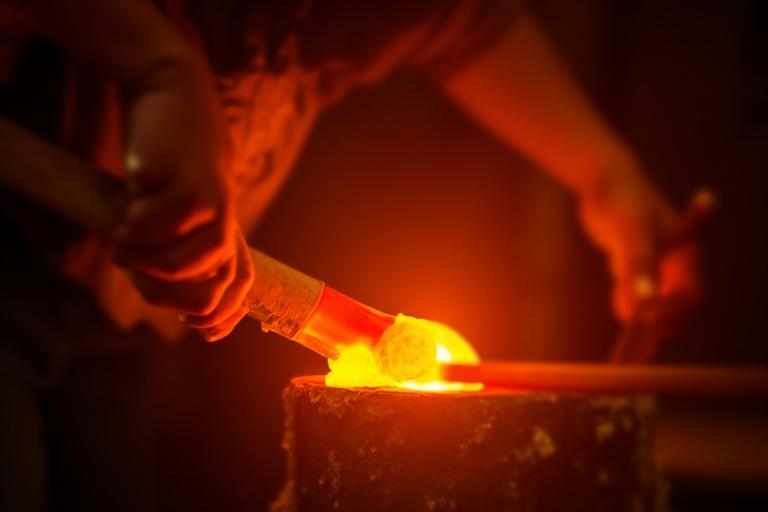
Step 1: The Furnace - Heating the Raw Materials
Our journey begins with silica sand, soda ash, and limestone – the fundamental ingredients of glass. These are carefully measured and fed into our intense, custom-built furnace, where temperatures soar to over 2000°F (1100°C). Here, the raw materials melt and fuse, transforming into a glowing, viscous liquid – the molten glass. This initial stage is crucial, as the quality and purity of the molten glass determine the clarity and strength of the final piece.
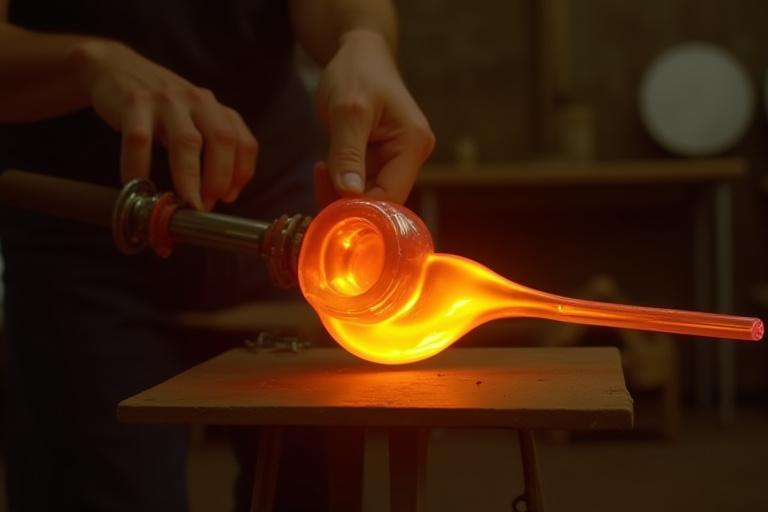
Step 2: Gathering and Shaping - The Fiery Dance
Once the glass reaches its optimal molten state, our skilled artisans begin the delicate process of 'gathering' it onto the end of a long, hollow tube called a blowpipe or a solid rod called a puntil. This molten glass, glowing orange and red, is then masterfully shaped using a combination of blowing, rolling, and tools. Each movement is precise, guided by years of experience and an intuitive understanding of the material's properties. This is where the envisioned form starts to take shape – a vase, a bowl, or a sculpture.
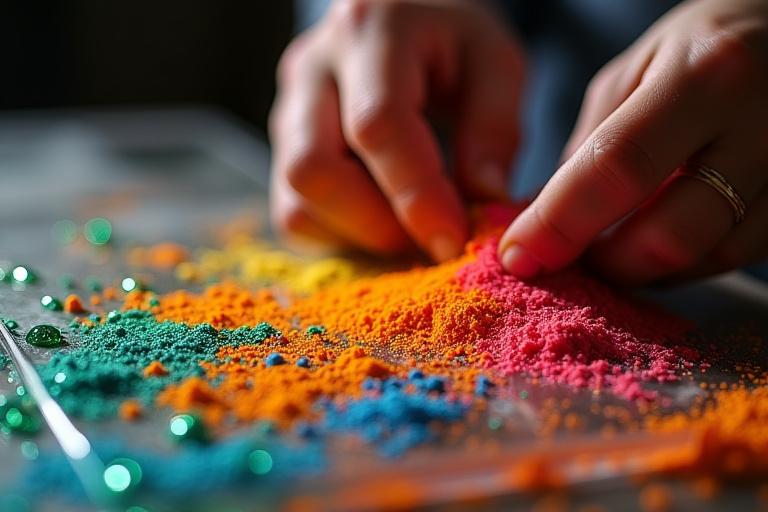
Step 3: Adding Color - Techniques for Vibrant Hues
The addition of color transforms a simple glass form into a vibrant artwork. This can happen in several ways – by rolling the molten glass over fine powders or frits (small glass particles), encasing colored glass canes, or introducing metallic oxides directly into the batch. Our artisans carefully select and apply these color techniques to achieve the beautiful, nuanced palettes seen in our collections. This step requires an artistic eye and a deep understanding of how different colors interact under heat.
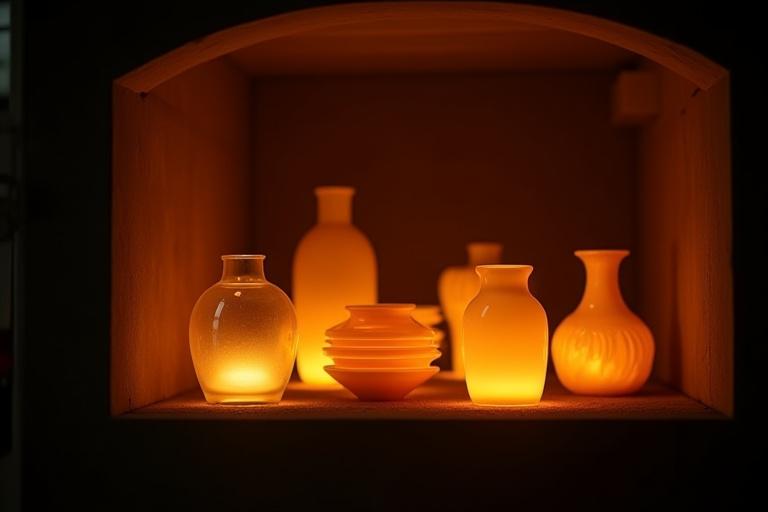
Step 4: The Annealing Process - Ensuring Durability
After the shaping and coloring are complete, the glass piece is still incredibly fragile due to internal stresses caused by uneven cooling. To prevent cracking or shattering, it undergoes a critical process called 'annealing.' The piece is placed in a special oven called an annealer, where its temperature is raised to a specific point and then slowly, precisely lowered over several hours, or even days, depending on its size and thickness. This controlled cooling relieves the internal stresses, making the glass strong and durable.
Conclusion: Experience the Craftsmanship
From the intense heat of the furnace to the careful artistry of shaping and coloring, and finally to the patient annealing, each step in the glass art process is a testament to skill, patience, and passion. We hope this glimpse behind the curtain deepens your appreciation for the unique beauty of handcrafted glass. We invite you to visit our Collections page to see these magnificent creations come to life!